Showing posts with label cellular. Show all posts

Sunday, February 20, 2011

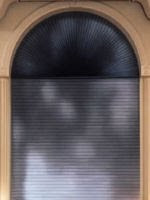
Shades for Arches

Q: My mother-in-law has pretty window arches above her windows but is having a difficult time finding shades that coordinate with the rest of her room. She'd like everything to match, but she's picky about color, too. Any suggestions?

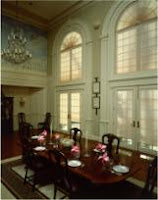
A: Cellular shades come in styles specifically designed for arched windows and come in the same colors as their traditional honeycomb shades. This means your mother-in-law can find gorgeous cellular shades for the windows in her room and then simply choose the coordinating arched shade.

Like most arched shades, these cellular shades are fixed and immobile. But, since cellular shades come in a variety of light diffusing and light filtering styles, she can find ones that block direct sunlight but still allow for natural light to enter her home. This means she can find coordinating styles, eliminate sun glare, and create a beautiful room all at the same time.

And a lot of cellular brands are available for other odd-shaped windows as well. Including skylights!

Sunday, January 9, 2011

Versatile Light Control

Q: I just bought a home with gorgeous views out the south and east sides. My problem is that, while I like the sunrise and light, I really don't like the glare early on in the day (and on the south side in the winter months). Are there any shades that could block the glare but not the view or the light?

A: There are two suggestions, actually. One would be solar shades and the other top down/bottom up cellular shades. Solar shades are like regular roller shades but, instead of blocking the window completely, they allow some light to filter though while still decreasing the glare. The best part about these shades is that they preserve the view even through the shade.

The second alternative would be to install cellular shades with the top down/bottom up feature. In addition to trapping air in pockets against the window and creating a small insulating barrier, top down/bottom up cellular shades give you versatile options for adjusting the shade on your window. You can use them like a normal shade that always drops from the top rail OR you can actually lower the top of the shade to block only the middle or bottom portion of the window.

Top down/bottom up cellular shades are perfect for individuals who want to block low direct sunlight without blocking the whole window.

Monday, December 27, 2010

Insulating Shades for Winter

Q: I've heard that there are some shades that can act as a barrier between the window and your home to help prevent heat loss. Is this true? Can you tell me more about them?

A: Cellular shades are unique in their structure and function since they trap air between the window and the rooms in your home. Each air pocket, or cell, runs horizontally across the width of the window and opens to trap air when the shade is pulled down. And when the shades are pulled up, they resemble standard horizontal blinds, making them easy to install and coordinate with existing window treatments.

The air pockets, or cells, of cellular blinds come in a variety of sizes and often appear in different cell widths. Smaller size cells have less thickness but are usually layered to provide greater insulation against your window. Larger cells are usually left in single layers, making them better suited to larger windows where thicker slats or folds balance out the width and height of the glass.

Both small and large air pockets provide additional insulation against heat loss in winter and excess heat gain in summer. And cellular shades are gorgeous, too!!

Thursday, September 23, 2010

Contemporary Alternatives to Vertical Blinds

Q: My husband and I recently purchased a gorgeous home with long windows that attach to a sliding glass door in the back. We definitely need privacy, but I don't want to block all the light. And I want something more modern than traditional vinyl but not as conservative as some fabric covered vertical blinds.

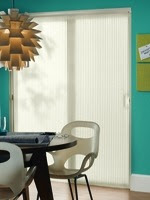
A: You should consider cellular vertical shades! They're an elegant and sleek alternative to traditional vertical blinds and eliminate the look and sound of conventional hanging blades.

Cellular blinds are unique in their ability to expand and contract as you open or shut them across your windows. Their special design traps air between panels of dark or translucent fabric, providing exceptional light filtration and privacy while simultaneously insulating your home against unnecessary heat gain and loss. And, much like their horizontal counterparts, cellular vertical blinds come in a wide range of colors hat can match any décor.

And, since you have a long window, you can match the shades to one another and can coordinate them with other windows, too!

Friday, July 30, 2010

Short Explanation of Cellular Shades

Q: I keep hearing about cellular shades and I know they're a popular style, but what exactly are they?

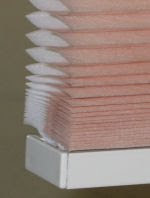
A: Cellular shades are a unique type of window shade that traps air between layers of material in order to help insulate your windows against energy loss and excess noise. When cellular shades, also known as honeycomb shades, are retracted to the headrail, the cells, or air pockets, collapse. In this position cellular shades can resemble common pleated shades or even miniblinds.

But once the cellular shades are pulled down to cover the window, the air pockets expand. Each air pocket (or “cell”) runs the width of the window. These cells come in different sizes and cell counts and connect to one another to create a solid sheet of air pockets.

The larger the cell size, the larger the pleats on the shade and the more air it traps. Cellular shades with large cells are good for large or deep windows where larger pleats look more appropriate for the size.

Smaller cells often come in multiple cell counts (like double or triple) which refers to the number of cells layered between your room and the window. Multiple cell counts often help to increase insulation and noise reduction, but can also give you a very thick shade. These small cells also have smaller pleat widths which makes them ideal for standard or smaller windows.

Since cellular shades come in a large variety of colors and light filtering properties, there's something for everyone!

Tuesday, July 13, 2010

Styles for Top Down Bottom Up

Q: A friend of mine has cellular shades with the top down bottom up feature. They're great for early mornings or late evenings and I want to know what other styles are available with this feature.

A: Cellular shades, roman shades, and even some natural woven shades come with top down bottom up features. This unique feature allows homeowners to raise both the bottom and top rail, giving complete control over privacy and light. No wonder you like them so much!

Cellular shades have become very popular due to their sleek style, variety of colors, and exceptional insulating qualities. They also come in a wide selection of light filtering and room darkening styles.

But if you're looking for something different than cellular, you may want to consider woven shades with the same top down bottom up features. Woven shades introduce a natural fiber element into your room and often originate from sustainable sources which makes them ecologically friendly, too. Woven bamboo, grasses, and reeds are only a sample of the natural fibers available in woven shades.

Roman shades, on the other hand, bring the soft fabric of drapes into a shade and they're also available in top down bottom up styles. And, like cellular, roman shades come in a wide range of colors, textures, and styles that can either filter or block light. Great for privacy and room darkening, too.

With all the options, I'm sure you'll find the perfect top down bottom up shades for your home.


Thursday, June 10, 2010

Blind-Celluar Hybrids

Q: I'm hoping to learn more about alternatives to traditional cellular shades. I read somewhere that there's a style of cellular that looks more like blinds. Can you give me more information?

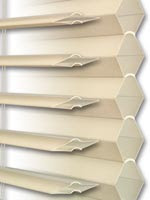
A: Of course! Comfortex (a leading manufacturer of blinds and shades) created Odysee Insulating Blinds that combine the insulating features of cellular shades with the look and versatility of traditional blinds. From a distance, these unique shades resemble typical blinds with horizontal slats, giving you the look and flexibility of blinds. But, instead of tilting the blinds, you manipulate the cord controls to expand and contract the slats.

When you expand the slats, they open up into large cells (just like cellular shades) to block or filter incoming light, increase privacy, and create an insulating layer of air between your room and the window. This insulating layer can help keep your home cooler in the summer and warmer in the winter, reducing energy costs and ultimately saving you money.

You can also leave the Odysee slats in the contracted position so they lay flat and give you access to your view and appear much more like conventional blinds. The best part about these blinds is that they give you the versatile light control, privacy, and insulation of cellular with the look and feel of conventional blinds. They're perfect!

Tuesday, December 22, 2009

Contemporary Vertical Alternatives

Q: I've heard that there are alternatives available to typical vertical shades and I'd like to know more about them. I'm hoping to find something other than conventional vertical blinds since my home is more contemporary. Can you help?

A: Of course! The most popular vertical blind alternatives are composed of cellular shades. Vertical cellular shades are comprised of pleated sheets rather than traditional vanes and provide a more contemporary and modern look to large windows and sliding glass doors. And vertical cellular shades come in a variety of colors and opacities which gives you even more control over the light in your home.

Much like traditional cellular shades (or honeycomb shades as they're sometimes called), vertical cellulars are made of rows of air pockets that expand as you pull the shade closed. These unique pockets, or cells, create an insulating layer between your home and the window, providing an energy efficient yet contemporary look to your windows.

Tuesday, November 17, 2009

A Different Kind of Cellular Blind

Q: I like the energy saving function of cellular blinds, but I'm not all that excited about the appearance. I have a more traditional décor and I'd like to find something that insulates like cellular but looks more conventional. Any suggestions?

A: Comfortex makes a blind that looks like a traditional blind but expands to work like cellular shades. The Odysee has soft blades that function much like a conventional blinds, but, instead of tilting, they expand to help block light. The blades (or slats) lay flat when not in use, but as soon as you want to increase your shade, light control, or privacy, simply use the appropriate controls to expand the blades to create a single-layer cellular shade.

Normal cellular shades are made from layers of fabric that create air pockets, or cells, when you expand the blind. The Odysee, however, has isolated each cell and collapsed them into slats for a more conventional appearance. Instead of tilting the slats, the Comfortex Odysee allows you to expand the cells, interlocking them to create an insulating layer between your room and the window. This way you get the look of a traditional blind and still reap the rewards of cellular shades!

Tuesday, October 6, 2009

Top Down Bottom Up on Cellular

Q: I read your last post “What is 'Top Down/Bottom Up” and wanted to know more about the options for cellular blinds. Thanks.

A: Cellular shades, a popular option for those looking for light and energy efficiency, come in regular top down/bottom up designs as well as two-in-one options. The conventional top down/bottom up feature gives you the option of raising your shade from the window sill or opening it from the top (top down).

There's also a two-in-one option that works very similarly to the traditional top down/bottom up method. The two-in-one cellular shades give you the benefit of both an opaque room darkening cellular shade as well as a sheer, light filtering one. These shades literally have two shades on top of one another to give you the benefits of both worlds. Where the opaque cellular shade stops, the sheer one begins.

These are convenient and easy to use since they work the same as regular top down/bottom up shades. You can fill your window with an opaque shade and, when you want more light, simply pull down the top rail to expose the sheer shade. This is a great alternative for those who like both privacy and soft light.

Tuesday, May 5, 2009

Modern/Simple Style

Q: I'm looking for shades that match a modern style but without the trendy contemporary flair. I'm pretty picky about color, too. Any suggestions?

A: Cellular Shades come in all kinds of colors and have a great low-profile design that matches just about every style. The nice clean lines of cellular shades go great with modern rooms, and they come in all kinds of light diffusing and room darkening options, too. Not only do these shades look great, but they also help insulate your windows to save you energy! Cellular shades also hold up well over time and come with all kinds of control options and different shapes to help you coordinate your windows.

Cellular shades are some of the most popular shades on the market today and compliment virtually every style. There are lots of different brands that manufacture cellular shades and you'll probably want to compare your options before you buy.

Tuesday, April 21, 2009

Horizontal Alternatives

Q: I love the look and insulation of cellular blinds but I also really enjoy the look and feel of traditional horizontal shades. I don't want the rigid slats and wanted to know if there are any horizontal blind alternatives?

A: Yes! Comfortex recently released a new kind of horizontal blind called Odysee that combines the insulation and room darkening properties of cellular shades with the look and function of horizontal blinds. The best thing about these blinds is that they really do function as either a cellular shade or horizontal blinds whenever you want.

The Odysee blinds feature flattened single cells that function as the soft slats when the blind is being used as a horizontal blind. This feature is perfect because it allows you to maximize your view and control your light. One simple adjustment, however, and the cells expand. With open cells, the blinds darken the room while simultaneously insulating your window like a traditional cellular blind. You get the best of both worlds!

Thursday, March 19, 2009

Vertical Shade Alternatives

Q: I need vertical shades for a large front window in my home and wanted to know if there were any other types of vertical blinds besides traditional slats.

A: Yes, in recent years, blind manufacturers have come up with incredibly fashionable alternatives to conventional vertical blinds. Sheer verticals, cellular, and sheerweave are the most common among them.

Sheer vertical blinds have been around for years and mimic the same soft appeal of sheer horizontal shades. These unique blinds provide both privacy and light filtering capabilities and give you soft aesthetics, too.

Cellular shades, those unique shades that trap air when in use, are now available as vertical shades! They're best known for their sleek design and energy-saving capabilities, helping you insulate your room against excess cold or heat while giving you a simple yet functional shade.

There are also sheerweave and solar shades that are available as vertical shades. These shades give you all the view while still blocking harsh sunlight. They're another great alternatives to traditional verticals if you're looking for a more contemporary or low-profile design.

Tuesday, December 30, 2008

Control Options for Cellular Shades

Q: I'm about to order cellular shades but I wanted to know what control options were available. I have a few tall living room windows as well as some in bedrooms where my little niece often sleeps. Thanks for your help!

A: There are four main control types for cellular shades: Ultra glide, cordless, continuous cord loop, and remote controlled. If you're planning on installing cellular shades in a guest room or bedroom for small children, you may want to think about getting the cordless or ultraglide options. Cordless shades are just that: cordless. They let you lift and lower the shade by gently guiding the bottom bar. Ultraglide is the Hunter Douglas safety blind that keeps the control cords at very short lengths. Continuous cord loops are also good since they also maintain a consistent cord length.

As for your tall living room windows, go motorized! It can be really difficult to reach some of the controls if your windows are really high. Remote controlled blinds are great for this and also perfect for skylights if you have any. Simply sit back and push a button!

Tuesday, December 2, 2008

Color Options for Cellular Shades - Two Sided

Q: Hi, I'm looking at buying cellular shades and saw that some have options for different colors on the room side versus the outside. What does that mean and what are my options?

A: Since cellular shades are created by fusing layers of fabric together to create pockets of air to insulate your window, it gives manufacturers the ability to use different color fabrics on the inside and outside of the shade. For example, you might want blue cellular shades to match your rug but white to match the trim on your front porch. With double-sided shades, you get to have both!

Cellular shades are one of the few window treatments that come with this option and I think it's a great way to get the look you want both on the inside and outside of your home. Most times people order standard cellular shades that have white towards the outside and a decorative color on the inside. The white also helps reflect sunlight and improves the insulation qualities of the blinds and creates a clean exterior look.