Saturday, March 5, 2011

Affordable Shades for Rental Houses

Q: Because of the economy, I'm having to put one of our properties up for rent. Since I'm renting it unfurnished, I'm taking most of the window treatments with me, but I need to put up something for privacy for prospective tenants. Any suggestions? I'm trying to keep costs down.

A: Mini blinds and micro blinds have always been favorites of landlords and apartments. They're usually durable, come in a wide range of colors, and are sometimes even scratch and dust resistant. These blinds have always been popular with homeowners working on a budget and come in slat widths from ½ inch to 1 inch.

They're easy to install, too, which makes them an even better choice if you're trying to keep costs low. And, since mini blinds and micro blinds are sleek and low-profile, it's easy for tenants to decorate around them and incorporate them into any new or existing décor. And, because they're affordable, they're also easy to replace.

Sunday, February 20, 2011

Shades for Arches

Q: My mother-in-law has pretty window arches above her windows but is having a difficult time finding shades that coordinate with the rest of her room. She'd like everything to match, but she's picky about color, too. Any suggestions?

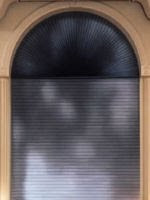
A: Cellular shades come in styles specifically designed for arched windows and come in the same colors as their traditional honeycomb shades. This means your mother-in-law can find gorgeous cellular shades for the windows in her room and then simply choose the coordinating arched shade.

Like most arched shades, these cellular shades are fixed and immobile. But, since cellular shades come in a variety of light diffusing and light filtering styles, she can find ones that block direct sunlight but still allow for natural light to enter her home. This means she can find coordinating styles, eliminate sun glare, and create a beautiful room all at the same time.

And a lot of cellular brands are available for other odd-shaped windows as well. Including skylights!

Tuesday, February 1, 2011

Benefits of Faux Wood Blinds

Q: A girlfriend of mine recently installed faux wood blinds in her home as opposed to real wood. I know they're usually less expensive than real wood, but are there any other benefits to faux wood versus real wood blinds?

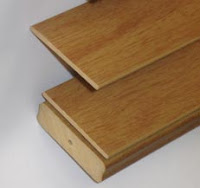
A: Actually there are quite a few. Like your friend said, faux wood blinds often cost less than real wood and can be a better alternative for those on a budget looking for “real wood” look without the price tag. But there are other benefits as well. For example, since faux wood blinds are made from pvc or composite blends of fibers, they're more resistant to humidity, moisture, and water, making them easier to clean and less likely to warp. This, of course, makes them perfect for kitchens and bathrooms where warping can be a problem.

Furthermore, you can get faux wood blinds with the same versatile options as real wood alternatives. This means you can get faux wood in a variety of realistic stains as well as bright colors and they come with the same options in routless and cloth tapes that reduce spotty glare from the string holes in the slats. This also means that faux wood blinds can be dyed, stained, and customized to meet the unique style needs of you and your home.

Tuesday, January 18, 2011

Solar Shades Explained

Q: You mentioned solar shades in a recent blog post. Could you please explain more about them? How do they work? What options are there?

A: Solar shades are designed to reduce direct sun and glare but still preserve views outside the window. Much like movable car shades used to shade the backseat of vehicles, solar shades are flat pieces of material with openings to allow limited light through . While this light certainly helps illuminate the room, it also gives you access to the views (much like how car shades still give you access to your blind spot).

The type and size of these openings is known as an “Openness Factor” and relates to how much of the actual surface area is comprised of small open sections. Smaller openness factors are better at reducing direct sun and provide a more diffused light into the room. The views with these shades, however, are limited due to the opacity of the shade. Greater openness factors, on the other hand, allow more light to come in and give more access to views.

The best thing about solar shades is that they come in a wide range of colors to suit both your needs and your style. You can also combine them with traditional drapes for versatile lighting solutions. Keep in mind though, while solar shades are ideal for light control, they are not ideal for privacy.

Sunday, January 9, 2011

Versatile Light Control

Q: I just bought a home with gorgeous views out the south and east sides. My problem is that, while I like the sunrise and light, I really don't like the glare early on in the day (and on the south side in the winter months). Are there any shades that could block the glare but not the view or the light?

A: There are two suggestions, actually. One would be solar shades and the other top down/bottom up cellular shades. Solar shades are like regular roller shades but, instead of blocking the window completely, they allow some light to filter though while still decreasing the glare. The best part about these shades is that they preserve the view even through the shade.

The second alternative would be to install cellular shades with the top down/bottom up feature. In addition to trapping air in pockets against the window and creating a small insulating barrier, top down/bottom up cellular shades give you versatile options for adjusting the shade on your window. You can use them like a normal shade that always drops from the top rail OR you can actually lower the top of the shade to block only the middle or bottom portion of the window.

Top down/bottom up cellular shades are perfect for individuals who want to block low direct sunlight without blocking the whole window.

Monday, December 27, 2010

Insulating Shades for Winter

Q: I've heard that there are some shades that can act as a barrier between the window and your home to help prevent heat loss. Is this true? Can you tell me more about them?

A: Cellular shades are unique in their structure and function since they trap air between the window and the rooms in your home. Each air pocket, or cell, runs horizontally across the width of the window and opens to trap air when the shade is pulled down. And when the shades are pulled up, they resemble standard horizontal blinds, making them easy to install and coordinate with existing window treatments.

The air pockets, or cells, of cellular blinds come in a variety of sizes and often appear in different cell widths. Smaller size cells have less thickness but are usually layered to provide greater insulation against your window. Larger cells are usually left in single layers, making them better suited to larger windows where thicker slats or folds balance out the width and height of the glass.

Both small and large air pockets provide additional insulation against heat loss in winter and excess heat gain in summer. And cellular shades are gorgeous, too!!

Thursday, December 9, 2010

Endless Variety with Roman Shades

Q: A friend suggested I look at Roman Shades as an alternative to my current blinds, but I need to know if I can find ones that fit my “earthy” décor. Basically, are their roman shades that fit my natural decorative style as well as the ones that flatter more contemporary homes?

A: Absolutely! Roman shades are available in a huge selection of fabrics, weaves, colors, and textures. And they also come in a wide variety of light filtering and room darkening styles, too. Some of these shades, most notably the light filtering ones, come in beautiful neutral colors that can soften both the look and the light in a room, really complimenting more earthy styles.

Since roman shades come in such a wide variety of styles, it's easy to find ones that fit the style of your home. These unique shades combine the soft look and feel of drapes with the ease and convenience of shades and blinds.

And, in addition to different colors, textures, and light filtering qualities, you can also choose from a variety of folds. Standard uniform folds are always popular in roman shades, but you can also order shades that lay flat when pulled down or ones that emphasize a looser, more relaxed gather of fabric at the bottom of the shade. Considering your interest in more natural colors and styles, the latter might work best for your home.


Monday, November 15, 2010

Controlling Sun through Skylights Year Round

Q: Over the summer I had someone install four skylights in my home and, while I love the natural light, I was hoping to find a way to control incoming sun. Is there a good skylight shade (preferably something attractive) that can help control the light and heat?

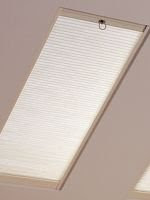
A: Yes! Cellular shades are perfect for skylights! They come in a wide range of colors and opacities to fit all kinds of homes. Light filtering cellular shades diffuse direct sunlight, giving you the pleasure of natural light without the harsh glare. And room darkening options allow you to completely block incoming light.

As for attractiveness, cellular shades continue to be one of the most popular styles of shades and blinds for both home and office. The sleek, simple design and color variety help make these a versatile option for any homeowner. And, since cellular shades trap air between the window and your room, they also help insulate your home against overheating in the summer and loss of heat in the winter.

And don't forget the convenience of motorized controls in skylights! While manual options are available, many homeowners choose to operate their cellular skylight shades with a push of a button. The perfect choice year round!

Tuesday, October 26, 2010

Versatile Shades for All Seasons

Q: My home has a ton of windows that face south so there's always light all year round, which means I need shade and privacy all year round, too. Can you suggest a shade that suits my fall and winter style but still matches my summer décor? Thanks.

A: Roller shades would be perfect for your home! These sleek, simple shades come in a wide range of light filtering and room darkening styles that can help diffuse bright light in the summer and create elegant ambiance in the winter.

Not to mention they come in a huge range of colors, texutres, fabrics, and prints. While certain textures or prints are best suited to specific times of year, the range of options means that you can choose a roller shade that will match your decorations all year round.

And, the low-profile design makes it easy to combine window treatments at any time of year. For example, for a sleek, simple look in summer, let the roller shade stand alone or combine it with a simple cassette cover for the roller bar. In the winter, you can hang drapes over and around the roller shade for a heavier, warmer look without loosing the versatility of light control.

Your options are endless!

Monday, October 11, 2010

Routless vs Cloth Tape in Wood Blinds

Q: I've done a lot of research and finally decided on installing wood blinds in my living room, but I'm a little concerned about glare. I know there are options for reducing those little light spots, but I need some help. Can you explain the difference between cloth tapes and routless and why I might choose one over the other?

A: Great question! When comparing routless and cloth tape, it's important to recognize the aesthetics of your window and the purpose of your blind. You've already mentioned that you want to minimize the glare caused by the small holes in the slats and have narrowed your choices down to routless or cloth tapes. Now the differences...

Cloth tapes create an actual barrier to those route holes by covering the strings (and therefore the holes they run through) down the length of the blind. This option can be perfect if you want to add a splash of color to your blinds or coordinate them with existing interior pallets. It's an inexpensive option to block the glare from route holes and add some personalization, too!

Routless wood blinds eliminate the need for those tiny route holes in the slats by weaving the ladders (controlling strings) underneath and between slats. They look and move just like conventional wood blinds but without the holes, giving you a great option if you don't want to change or personalize the look of your blinds.

Either option is great for reducing glare and I'm sure you'll find the perfect wood blinds for your room.

Thursday, September 23, 2010

Contemporary Alternatives to Vertical Blinds

Q: My husband and I recently purchased a gorgeous home with long windows that attach to a sliding glass door in the back. We definitely need privacy, but I don't want to block all the light. And I want something more modern than traditional vinyl but not as conservative as some fabric covered vertical blinds.

A: You should consider cellular vertical shades! They're an elegant and sleek alternative to traditional vertical blinds and eliminate the look and sound of conventional hanging blades.

Cellular blinds are unique in their ability to expand and contract as you open or shut them across your windows. Their special design traps air between panels of dark or translucent fabric, providing exceptional light filtration and privacy while simultaneously insulating your home against unnecessary heat gain and loss. And, much like their horizontal counterparts, cellular vertical blinds come in a wide range of colors hat can match any décor.

And, since you have a long window, you can match the shades to one another and can coordinate them with other windows, too!

Thursday, September 2, 2010

Simple Shades with Versatile Style

Q: I'm looking for shades or blinds that don't take up too much space and can fit in almost any window. I'm also hoping to find something that can match my “quirky” style but not too flashy. Any suggestions?

A: Believe it or not, roller shades come in a huge range of colors, textures, and light diffusing options. Decades have passed since vinyl roller shades ruled the windows and it's time for consumers to rethink these basic shades.

First of all, roller shades are low-profile, making them perfect for almost any window. Second, they come in a huge range of colors and textures – everything from bold solids to intricate flowering prints to natural weaves. Third, because of their simple design, roller shades make an elegant addition to any home. And, you can personalize them with custom trim or pulls, too.

They also come in a wide range of light filtering options. Some roller shades diffuse incoming light while others strengthen the privacy of your home. Simply choose the color and determine your lighting preference. Many manufacturers can add liners to improve the privacy or room-darkening features of your shade. With roller shades your options are limitless!

Tuesday, August 17, 2010

Shades for Privacy and Light Filtration

Q: Can you recommend something that can both diffuse light AND provide privacy?

A: Sheer horizontal shades are probably your best choice for combining light filtration and privacy concerns. These unique shades have soft opaque slats that float between two vertical sheets of sheer fabric. When you pull the shade down and leave the slats open, you get soft diffused light. When you tilt the slats shut, the opaque slats act like a traditional blind and help block light and give you increased privacy.

Sheer horizontal shades come in a wide variety of colors and light diffusing options. Lighter colors give you adequate privacy when the slats are tilted shut and soft white light when they're open. Darker colors, on the other hand, will increase your privacy and room darkening options when the slats are closed.

Whatever color you choose, sheer horizontal shades are a great choice for combining privacy with the beauty and versatility of light diffusing shades.

Friday, July 30, 2010

Short Explanation of Cellular Shades

Q: I keep hearing about cellular shades and I know they're a popular style, but what exactly are they?

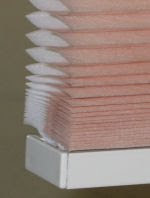
A: Cellular shades are a unique type of window shade that traps air between layers of material in order to help insulate your windows against energy loss and excess noise. When cellular shades, also known as honeycomb shades, are retracted to the headrail, the cells, or air pockets, collapse. In this position cellular shades can resemble common pleated shades or even miniblinds.

But once the cellular shades are pulled down to cover the window, the air pockets expand. Each air pocket (or “cell”) runs the width of the window. These cells come in different sizes and cell counts and connect to one another to create a solid sheet of air pockets.

The larger the cell size, the larger the pleats on the shade and the more air it traps. Cellular shades with large cells are good for large or deep windows where larger pleats look more appropriate for the size.

Smaller cells often come in multiple cell counts (like double or triple) which refers to the number of cells layered between your room and the window. Multiple cell counts often help to increase insulation and noise reduction, but can also give you a very thick shade. These small cells also have smaller pleat widths which makes them ideal for standard or smaller windows.

Since cellular shades come in a large variety of colors and light filtering properties, there's something for everyone!

Tuesday, July 13, 2010

Styles for Top Down Bottom Up

Q: A friend of mine has cellular shades with the top down bottom up feature. They're great for early mornings or late evenings and I want to know what other styles are available with this feature.

A: Cellular shades, roman shades, and even some natural woven shades come with top down bottom up features. This unique feature allows homeowners to raise both the bottom and top rail, giving complete control over privacy and light. No wonder you like them so much!

Cellular shades have become very popular due to their sleek style, variety of colors, and exceptional insulating qualities. They also come in a wide selection of light filtering and room darkening styles.

But if you're looking for something different than cellular, you may want to consider woven shades with the same top down bottom up features. Woven shades introduce a natural fiber element into your room and often originate from sustainable sources which makes them ecologically friendly, too. Woven bamboo, grasses, and reeds are only a sample of the natural fibers available in woven shades.

Roman shades, on the other hand, bring the soft fabric of drapes into a shade and they're also available in top down bottom up styles. And, like cellular, roman shades come in a wide range of colors, textures, and styles that can either filter or block light. Great for privacy and room darkening, too.

With all the options, I'm sure you'll find the perfect top down bottom up shades for your home.


Tuesday, June 29, 2010

A Softer Kind of Shade

Q: My home has a traditional feel with some contemporary pieces and I'm torn between shades and drapes. I like the soft fabric look of drapes, but I'd rather have the convenience of cord controls (and the more compact design, too). What can you suggest?

A: Roman shades are perfect for your needs! These shades mix the soft appearance and feel of fabric with the ease of shade controls. These fabric window treatments cover your window with either elegant folds of fabric or more contemporary flat panels, both of which can be raised and lowered with traditional shade cord controls or cord loops.

And, since roman shades come in a variety of styles, colors, and textures, you have a huge range of choices to match your home's unique décor. They're also available in room-darkening or light-filtering fabrics that give you even greater control over the atmosphere in your home. And, in addition to being versatile, roman shades also come in top down/bottom up styles that allow you to raise and lower your shade from either the bottom rail or the top.

With almost unlimited options in styles and function, you can't go wrong with roman shades!

Thursday, June 10, 2010

Blind-Celluar Hybrids

Q: I'm hoping to learn more about alternatives to traditional cellular shades. I read somewhere that there's a style of cellular that looks more like blinds. Can you give me more information?

A: Of course! Comfortex (a leading manufacturer of blinds and shades) created Odysee Insulating Blinds that combine the insulating features of cellular shades with the look and versatility of traditional blinds. From a distance, these unique shades resemble typical blinds with horizontal slats, giving you the look and flexibility of blinds. But, instead of tilting the blinds, you manipulate the cord controls to expand and contract the slats.

When you expand the slats, they open up into large cells (just like cellular shades) to block or filter incoming light, increase privacy, and create an insulating layer of air between your room and the window. This insulating layer can help keep your home cooler in the summer and warmer in the winter, reducing energy costs and ultimately saving you money.

You can also leave the Odysee slats in the contracted position so they lay flat and give you access to your view and appear much more like conventional blinds. The best part about these blinds is that they give you the versatile light control, privacy, and insulation of cellular with the look and feel of conventional blinds. They're perfect!

Thursday, May 27, 2010

Inexpensive Alternatives to Real Wood Blinds

Q: I love the look of wood blinds, but can't afford to install them right now. Are there any other blinds available that might be good instead?

A: Faux Wood Blinds come in all kinds of colors and textures, many of which mimic the look and feel of real wood. Faux wood blinds tend to be less expensive than their natural alternatives and are perfect for areas where humidity can be a problem. Since they're created from composite material, faux wood blinds resist warping and bending and are great for bathrooms and kitchens.

Keep in mind though, that although faux wood blinds tend to be more affordable than wood, they're also heavier. This means that they have more strings (ladders) to hold each slat in place and they require more energy to adjust the height. But these composite alternatives can certainly be worth the adjustment if you're looking for a more durable, cheaper alternative to real wood blinds.

Wednesday, May 12, 2010

Modern Vertical Alternatives

Q: I'm hoping you can help me out. We have a house at the lake with huge windows that give us a great view. Unfortunately, they give everyone else a view inside our home, too...especially at night. Can you suggest a good shade? Hopefully something without vinyl slats?

A: Yes! There's two really good alternatives to traditional vertical blinds. Cellular shades and sheer shades both come in vertical styles.

Cellular shades have become one of the most popular alternatives to vertical blinds. These unique shades trap air inside vertical cells when they're pulled open, giving you light control and privacy while simultaneously helping you save energy through additional window insulation. They come in all kinds of colors and are available in both light diffusing and room darkening styles.

Sheer shades are available as panel tracks and come in a huge range of colors and textures. These unique shades block direct sunlight while still giving you full access to that wonderful lake view. If you want something to help control light during the day while still keeping your view, sheer shades are great! Tighter weaves provide a little privacy at night, but not quite as much as cellular.

Both, however, are great for modern or contemporary décor.

Enjoy the lake!

Wednesday, April 28, 2010

Optimizing Comfort and Convenience

Q: I have a friend who recently installed remote-controlled shades in his home because he has really high windows. While my windows are just fine height-wise, I really like the idea of having something like this for my media room. Can you get these to help keep a room dark?

A: Yes!! In fact, motorized (also known as remote controlled) shades are perfect for media rooms! Not only do they come in room-darkening styles, the remote controlled features make it even easier to streamline your media experience.

And you might want to consider cellular shades for your media room. They come in lots of different colors, many of which are perfect for blocking light. And they're simple style makes them perfect for any room (Not to mention their unique design also provides some added insulation and energy savings). With the added motorized features, you can raise and lower your cellular shade with a simple touch of a button.

Just keep your window remote alongside your other controls and you have comfort at your fingertips!